
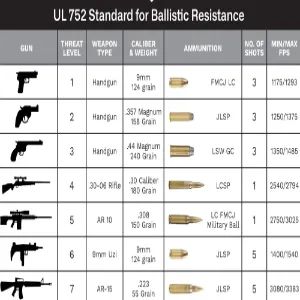
Understanding Bulletproof or Ballistic Window Film: Expert Insights from Industry Leaders
In the realm of security, misinformation can have severe consequences. A common myth is that window films can render glass “bulletproof.” To clarify, several leading organizations and manufacturers have weighed in on the topic. Below, we define each group and share their expert perspectives.
1. International Window Film Association (IWFA)
Who They Are: The IWFA is a nonprofit trade association representing the interests of window film manufacturers, distributors, and dealers globally. They advocate for industry standards and consumer education.
Position on Bulletproof Claims: The IWFA states that no window film can make glass bulletproof. While films enhance glass durability and delay breakage, they are not a substitute for ballistic glass or tested security systems. Transparency in product capabilities is vital to prevent misinformation.
2. National Glass Association (NGA)
Who They Are: The NGA supports the glass and glazing industry by providing technical resources, certifications, and advocacy to uphold high industry standards.
Position on Bulletproof Claims: The NGA emphasizes the importance of testing products to reliable standards, such as the ASTM Simulated Attack Shooter Standard 3561. They warn against unsupported claims, stating that only certified ballistic glass systems can stop bullets, not standard security films.
3. ASIS International
Who They Are: ASIS International is a global community of security professionals dedicated to advancing security practices through education, certifications, and research.
Position on Bulletproof Claims: ASIS advises against over-reliance on window films for ballistic protection. They recommend integrating tested ballistic-resistant materials into comprehensive security plans for true threat mitigation.
4. Department of Homeland Security (DHS)
Who They Are: DHS is a federal agency responsible for public security, including anti-terrorism, border security, and disaster prevention.
Position on Bulletproof Claims: DHS recognizes window film as an effective tool for blast mitigation and delay against forced entry. However, they clearly state that films are not ballistic-rated and should not be marketed as such.
5. Federal Emergency Management Agency (FEMA)
Who They Are: FEMA is an agency under DHS, focused on disaster response and preparedness to safeguard communities against natural and manmade threats.
Position on Bulletproof Claims: FEMA includes window film in its recommendations for blast resistance and delaying forced entry but explicitly advises against relying on it for bullet resistance. Properly tested and certified materials are essential for ballistic protection.
6. 3M
Who They Are: 3M is a multinational conglomerate known for innovative solutions, including their industry-leading safety and security window films.
Position on Bulletproof Claims: 3M underscores that their window films are not bulletproof. While they enhance safety by holding shattered glass in place and delaying intruders, true ballistic protection requires specialized glazing systems.
7. Protective Glazing Council (PGC)
Who They Are: The PGC promotes advancements in protective glazing technologies, focusing on safety, security, and energy efficiency.
Position on Bulletproof Claims: PGC advocates for honest marketing of window film capabilities. They highlight the importance of certified ballistic glass systems for applications requiring bullet resistance.
8. Madico
Who They Are: Madico is a leading manufacturer of window films and coating solutions, with a focus on safety, security, and energy efficiency.
Position on Bulletproof Claims: Madico explicitly states that their safety and security films are not bulletproof. They are designed to strengthen glass and slow forced entry but are not a substitute for ballistic glass.
9. Association of International Metallizers, Coaters, and Laminators (AIMCAL)
Who They Are: AIMCAL represents companies involved in the production of flexible packaging and functional films, including those used for safety and security applications.
Position on Bulletproof Claims: AIMCAL supports clear labeling and accurate descriptions of product capabilities. They emphasize that while films can enhance safety and delay intrusions, they do not meet the requirements of ballistic-rated materials.
Conclusion
Across the board, industry leaders and organizations agree: no window film can make glass bulletproof. While films can enhance security by delaying entry and mitigating blast damage, they are not designed to stop bullets. For true ballistic protection, invest in certified ballistic glazing systems. Transparency and adherence to standards ensure safety and trust—critical factors in life-and-death scenarios.